
Farmhouses and country homes for sale in Piedmont
The cascina: stone and brick, built around a courtyard, usually with more outbuildings than you first count.
The farmhouse of these hills is the cascina, and it was built as a machine for making wine and keeping animals rather than as somewhere to spend a weekend. A typical one is a long two-storey range in stone and brick, with the living quarters at one end, a stalla for the cattle at the other, a fienile or hayloft above, and a vaulted cellar dug into the slope. Many are arranged around a courtyard, and many come with more square metres of roof than anybody wants to re-tile at once.
2 properties of this kind on our books
Everything we are marketing in this category is below. If none of it fits, tell us what you are looking for — a good part of what we sell never reaches a listing page.
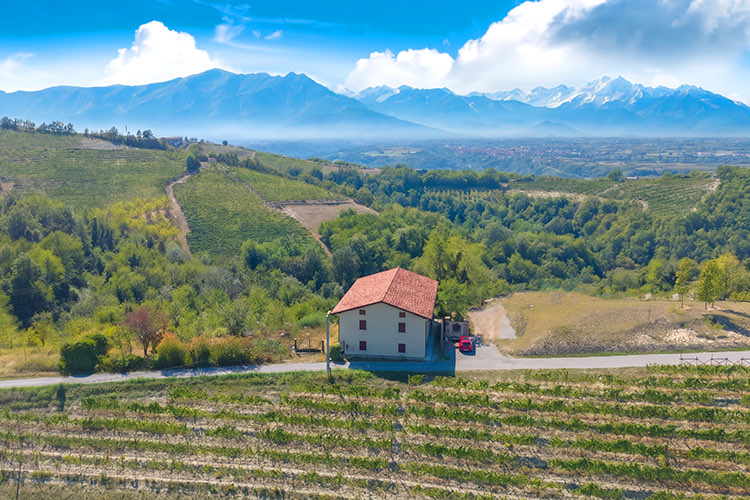
Exceptional restoration opportunity

Amazing home in calm location
In detail
That shape is the opportunity and the cost. The barn end of a cascina is usually the part with the volume and the light, and it is also the part that is registered as agricultural rather than residential. Converting it means a change of use — cambio di destinazione d'uso — and whether that is straightforward, slow or impossible depends on the comune and on the current rural planning rules. Establish what is permitted on the specific building before you buy, not after, and get it in writing from a local geometra.
Services are the other thing that separates a cheap cascina from a cheap-looking one. Many are not on mains drainage and use a septic system that may or may not be legal; some are a long way from the nearest water main; three-phase electricity is common on working farms and absent on abandoned ones. None of this is a reason not to buy. All of it is a reason to price it.
Land sold with a cascina is normally agricultural, which limits what you can put on it and may bring the same pre-emption rights that apply to vineyards.
Be honest with yourself about the budget split. On an unrestored cascina the purchase price is routinely the smaller half of the total, and the restoration the larger one. Get two quotes from local firms before you commit, not after — and expect to wait for the good ones, because the building trades across these hills have been busy for years and the firms worth having are booked out well ahead.
Materials vary more than people expect over short distances. In the Langhe you find sandstone and the local brick; across the Monferrato there is a soft yellowish stone that looks wonderful and does not love water. The right repair for one is the wrong repair for the other, which is an argument for a surveyor and a builder who work in that specific valley rather than ones who travel.
What to check before you offer
- Which parts are registered residential and which are agricultural
- Whether a change of use is permitted on the barn, in writing
- Roof condition across every range, not just the house
- Mains water, drainage and whether the septic system is compliant
- Single or three-phase electricity
- Rising damp in the ground floor and the cellar
Looking for something else?
- Vineyards & wine estates
- Villas
- Palazzi & town houses
- Castles & fortified houses
- B&Bs & guest houses
- Every property we are marketing
If you are at the start of this, the guide to buying property in Italy covers the process end to end. When you are ready to talk, get in touch.