
Castles and fortified houses for sale in Piedmont
Piedmont has more castles than almost any region in Italy. Very few of them are ever openly on the market.
The Monferrato and the Langhe were fought over for centuries, and the result is a landscape where a surprising number of hilltops still carry a castle, a tower or a fortified manor. Some are municipal, some belong to foundations, and a small number are in private hands and occasionally change them. They rarely appear on portals. Most move quietly, through people who already know the family, which is why this page is usually shorter than the demand for it.
2 properties of this kind on our books
Everything we are marketing in this category is below. If none of it fits, tell us what you are looking for — a good part of what we sell never reaches a listing page.
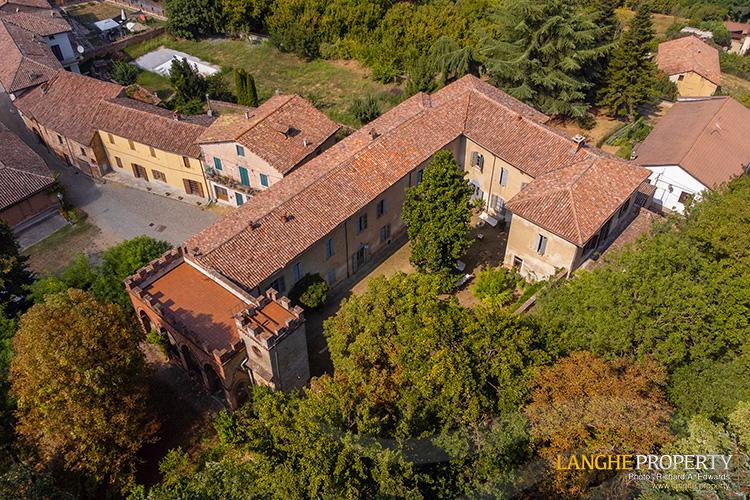
Historic masterpiece in ancient town
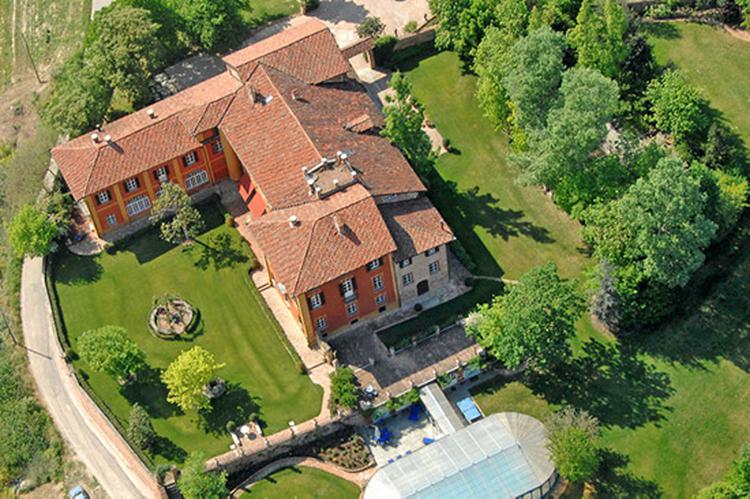
Fortress in beautiful position
In detail
What is for sale varies enormously. At one end is a genuine fortified structure with towers, curtain walls and a dry moat; at the other a seventeenth-century manor that is called a castle locally and has the proportions of a large country house. Both are worth looking at, but they are not the same purchase, and the gap between them in restoration cost is measured in millions.
Assume protection. A building of this kind is almost always listed, and the Soprintendenza will be involved in any meaningful work — which in practice means a longer programme, a specialist team, and approvals that arrive at their own pace. Assume also that the running costs are structural rather than discretionary: roofs of this size, masonry of this age and grounds of this scale do not have a cheap year.
The uses that make the numbers work are usually hospitality, events, or a wine estate with the castle at the centre of it. If that is the plan, check what the comune permits for public access and events before you buy, because that permission is the business.
Set your expectations on time rather than money. A supervised restoration of a protected building runs in years, not months: survey, project, approval, then the work itself, with the Soprintendenza consulted at each stage. Buyers who need to be living in it next spring are in the wrong category.
There is a more achievable version of this, and it is worth knowing about. The casa forte or tower house — a fortified manor, often with a single surviving tower attached to a later residential range — turns up far more often than a true castle, costs a fraction as much to put right, and gives you most of what people actually want from the idea. If that is closer to the brief, say so, because those come up quietly and regularly.
What to check before you offer
- What it actually is: fortified structure, or a manor called a castle
- The listing and the full scope of the Soprintendenza’s involvement
- A structural survey of roofs, towers and retaining walls
- Annual running cost, honestly estimated, before any restoration
- What the comune permits for events and public access
- Whether land, vineyards or outbuildings come with it
Looking for something else?
- Vineyards & wine estates
- Villas
- Farmhouses & country homes
- Palazzi & town houses
- B&Bs & guest houses
- Every property we are marketing
If you are at the start of this, the guide to buying property in Italy covers the process end to end. When you are ready to talk, get in touch.