What Is Healthcare Like in Piedmont, Italy?
19 June 2025
So, I'm laid up in bed after having a straightforward and fairly routine operation on Friday. I thought I might use some of my recuperation time to share my experience with the Italian National Health Service. Spoiler alert: it's excellent.
Late last summer, I was visiting a house for sale — Ref. 012 — planning to meet one of the female agents I work with so I could introduce her to the owner and get her opinion. Unusually, she was running late. The owner is a doctor — a neurosurgeon, in fact — and a lovely man.
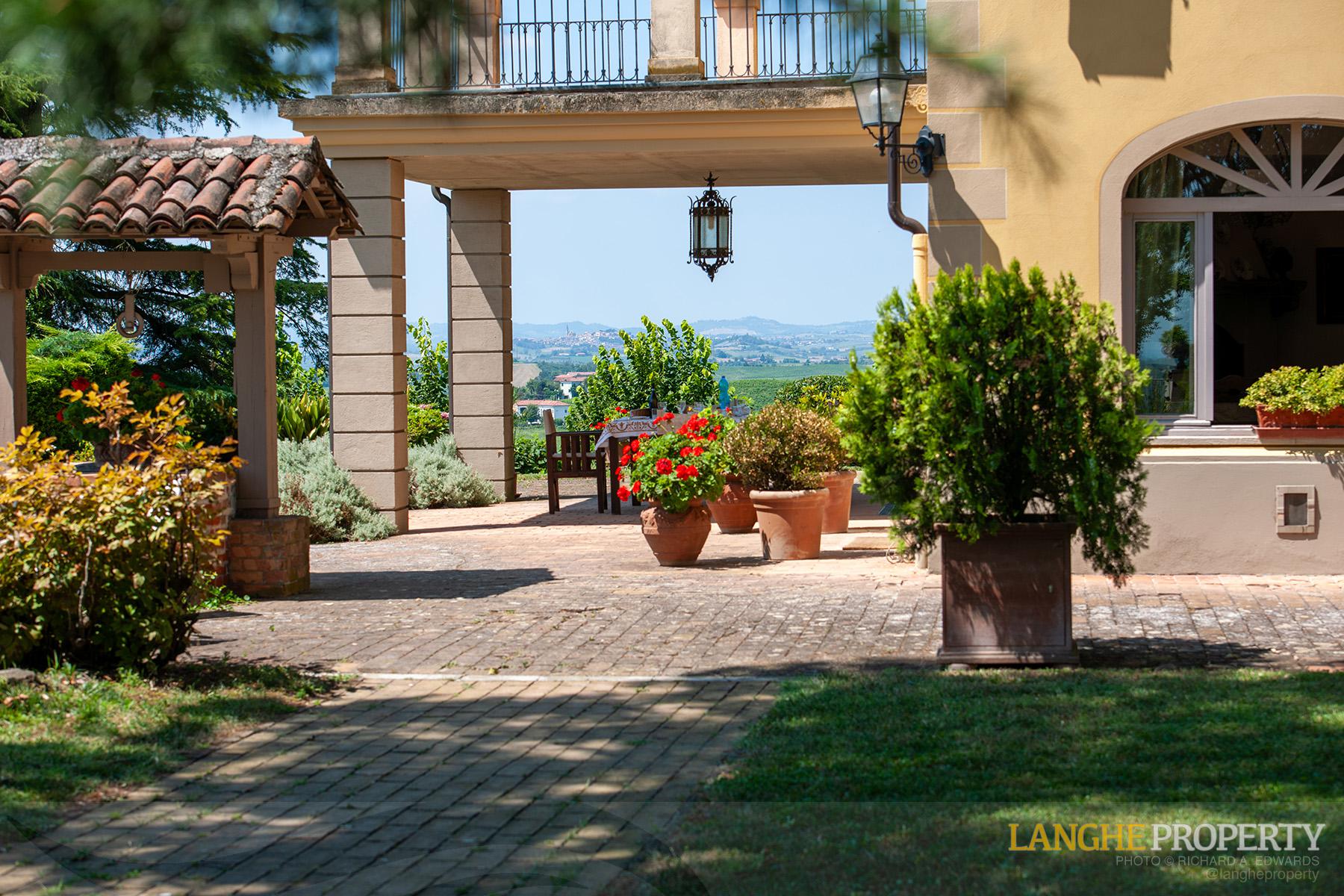
I'd recently developed a large lump around my pelvis. I imagine doctors must get this sort of thing all the time, but I asked him for his opinion. We were sitting on the beautiful terrace of this incredible home, sipping coffee, and his response was exactly what any kind doctor would say: "Take your trousers down."
So there I am, standing in his garden with my trousers around my ankles while he has his hand down my underpants, and I'm thinking, "Oh God, I hope the agent is genuinely lost, because if she turns up now she might get completely the wrong idea!"
Thankfully, she really was lost, and after a quick examination he said, "No worries, it's a hernia." I later realised it had probably happened after we bought a new clothes dryer and I lifted it on my own onto the washing machine.
Like any man, I did the sensible thing and ignored it for a while.
Eventually, I went to my doctor, who referred me to a hospital outside Torino, up in the hills. On my first visit I was sent away because my haemoglobin levels were too high. I'll come back to that.
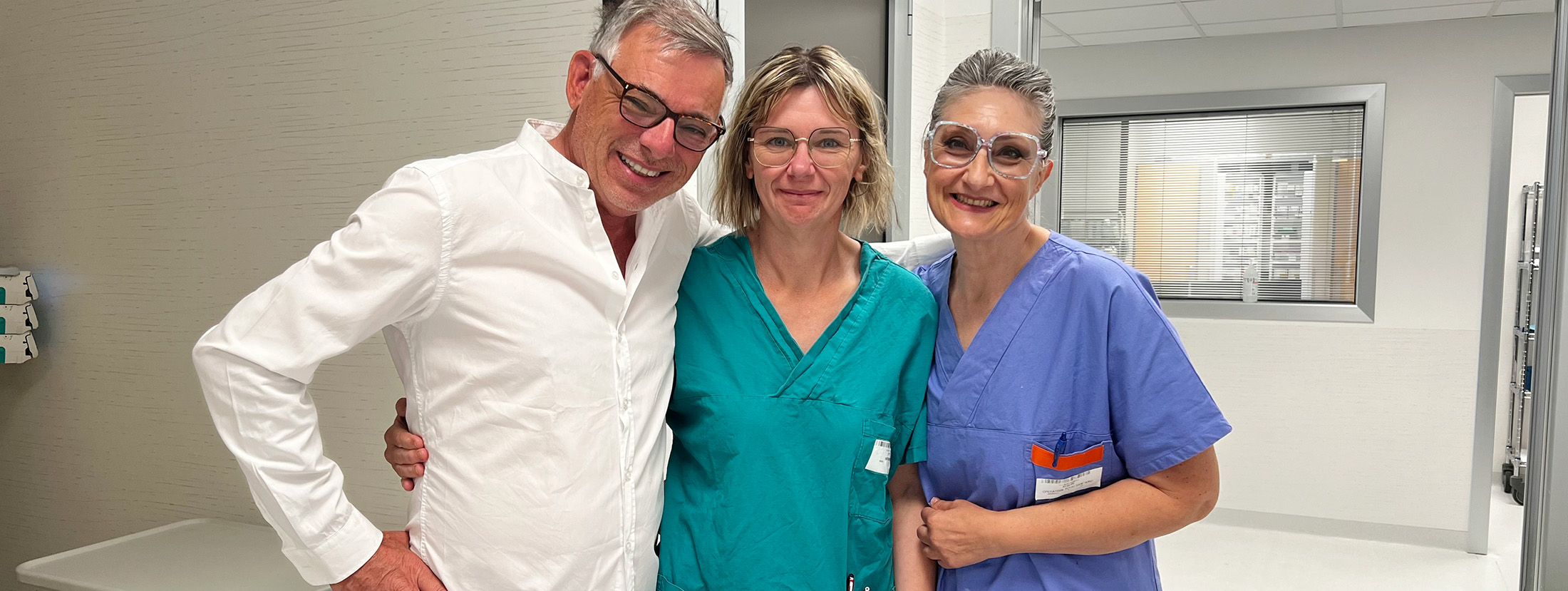
Then, on Friday, I finally went in for the operation. I arrived at 7 a.m., along with five other terrified men waiting for the same procedure. I was given a room and looked after by wonderful nurses, every one of them caring and patient with me. Most were Romanian. I sincerely hope Italy never makes the same mistake the UK has made by making it nearly impossible for these hardworking and compassionate people to stay.
By 11:30 I was in theatre. Apart from being born, this was my first time in hospital as a patient. I was wheeled into the operating room where a serious but very diligent Romanian nurse took excellent care of me. I asked where she was from, how long she'd lived in Italy, and a few other questions. Gradually, her seriousness gave way to smiles.
Never underestimate the importance of taking a sincere interest in people. We do it because we care, but somehow it always comes back to us. It's one of life's unbreakable rules.
She made the whole experience much easier. The surgeon was excellent too, although I could happily have skipped the injections in my spine — they were horrible. Thankfully, after about three days, the worst of the pain had passed.
A week later, I went back to have the stitches removed. I had twelve "punti" — staples. The doctor was African, so we spoke a little in West African Pidgin. He was from Cameroon.
Just before removing the staples, he asked, "Do you remember the 1990 World Cup? Cameroon played England."
I have absolutely no interest in football, but I did remember that match. I even remembered that England won and who scored the goals.
"Yes, we lost," he said.
Then he pulled the staples out, and I yelped twelve times. Clearly, he was still taking the defeat badly 35 years later.
In truth, he was very kind and did a great job.
Overall, I have a very high opinion of the health service here in Italy. I'm from the UK, so of course I think it's better — let's be honest, it could hardly be worse.
That said, there is one important point worth mentioning.
After I was told my haemoglobin was too high, a lovely doctor at Asti Hospital prescribed bloodletting. No problem. But when I went for the treatment, another doctor advised medication instead. That turned out badly for me. I became anxious, depressed, and experienced several unpleasant side effects.
I stopped taking the medication and looked for natural alternatives instead.
For another typical "old man" issue, I was prescribed another strong drug. After doing my own research, I threw the prescription away before taking even one tablet. The side effects appeared similar to the previous medication, and it seemed likely I would end up dependent on it for life.
Again, there were simple alternatives — in this case, basic exercises and drinking more water.
I absolutely needed their diagnosis, but not necessarily their treatments.
Sadly, this seems fairly common everywhere. Pharmaceutical companies have enormous influence, and while there are reasons for that, I do believe people should research carefully before agreeing to any long-term medication. Read the book - Ultra Processed People.
So, apart from what should perhaps already be obvious, my experience of the Italian Health Service was overwhelmingly positive. The care was genuine, friendly, and professional.
I need another two or three weeks to fully recover, and I can't wait to get back to looking at houses, filming, and talking again.
Oh — and it was all free.